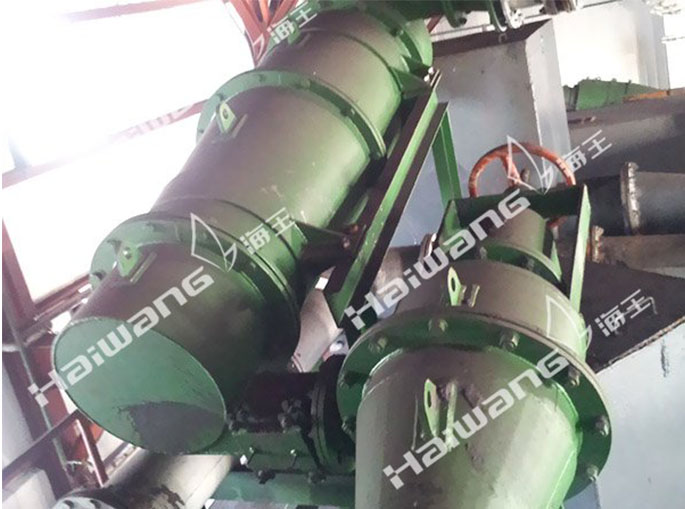

In today’s mining and mineral processing industry, hydrocyclones play a critical role in improving separation efficiency, reducing operational costs, and enhancing overall plant performance. As a widely used classification and separation device, the hydrocyclone has become an essential component in grinding circuits, desliming, dewatering, and solid-liquid separation processes.
What Is a Hydrocyclone?
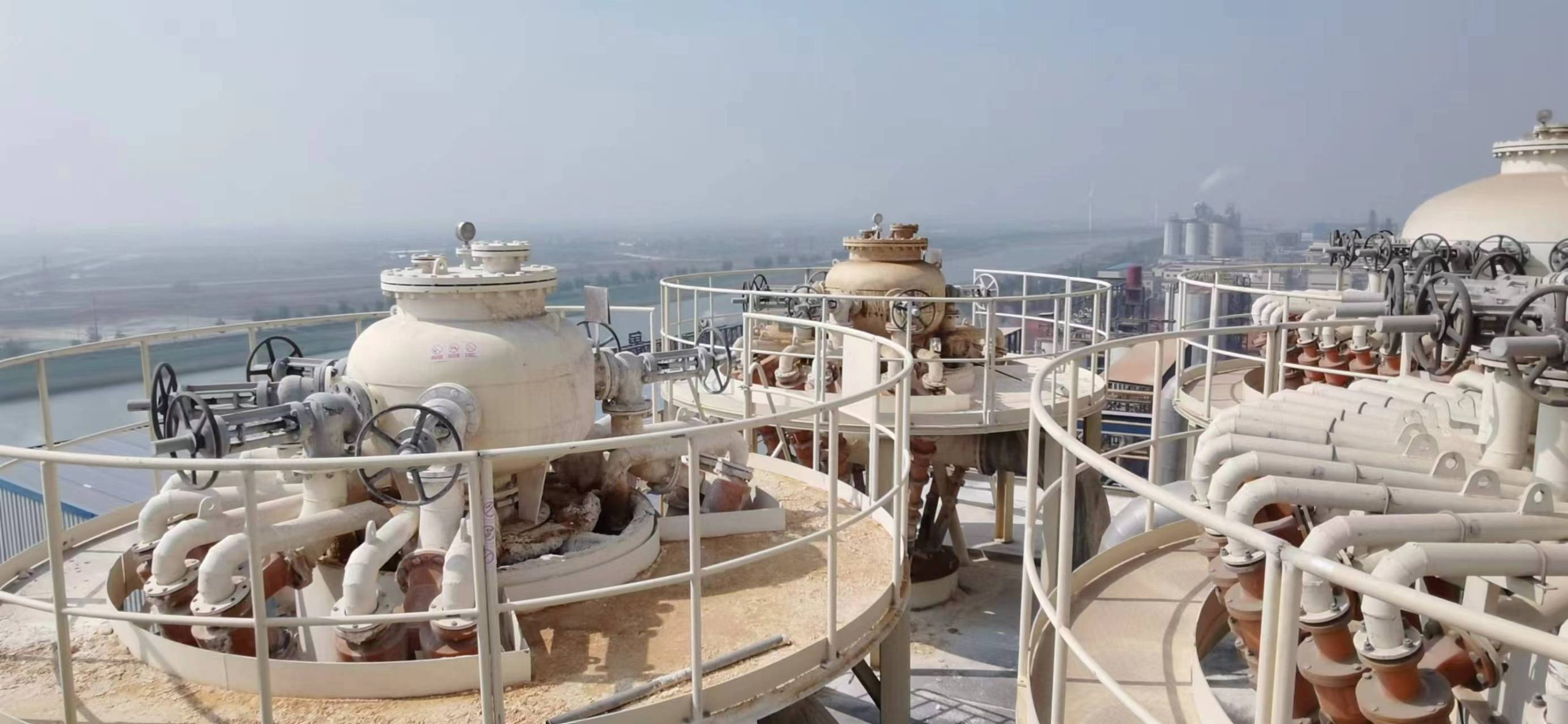
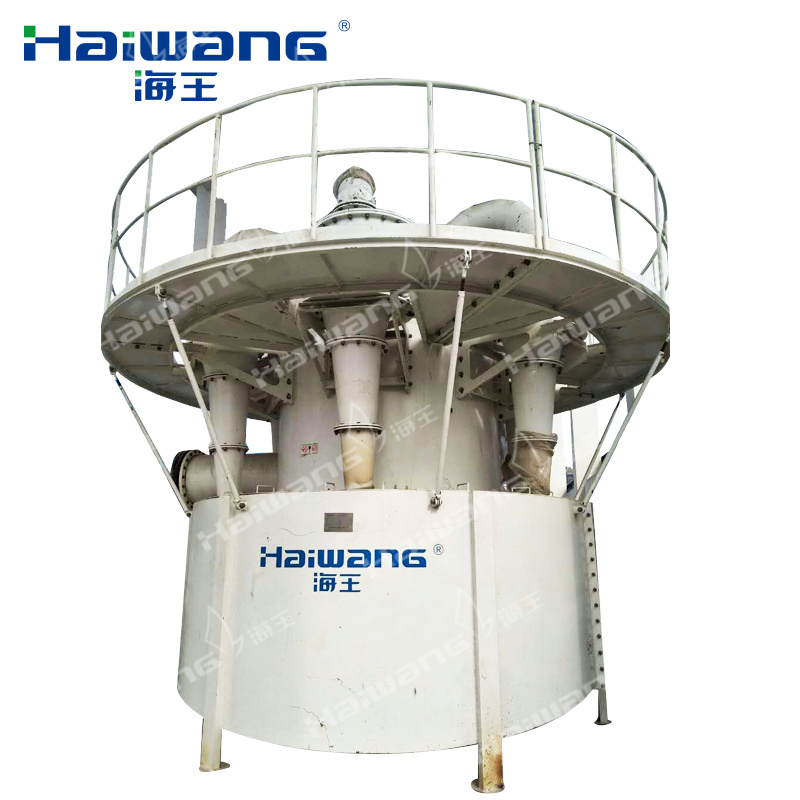
A hydrocyclone is a mechanical separation device that uses centrifugal force to separate particles based on size, density, and shape. Unlike traditional screening equipment, hydrocyclones contain no moving parts, making them highly reliable, energy-efficient, and easy to maintain. They are extensively applied in industries such as mining, metallurgy, coal preparation, chemical processing, and environmental engineering.
Key Advantages of Hydrocyclone Technology
Modern hydrocyclone systems offer several outstanding advantages:
- High separation efficiency for fine and ultrafine particles
- Compact structure with a small footprint
- Low operating and maintenance costs
- Strong adaptability to high-pressure and high-capacity conditions
- Long service life when manufactured with wear-resistant materials
These benefits make hydrocyclones an ideal solution for large-scale industrial operations requiring stable and continuous processing.
Applications in Mineral Processing
In mineral processing plants, hydrocyclones are commonly used for:
- Classification in closed-circuit grinding systems
- Desliming before flotation or leaching
- Tailings dewatering and thickening
- Sand recovery and slurry concentration
By optimizing particle size distribution, hydrocyclones significantly improve downstream recovery rates and processing efficiency.
Custom Hydrocyclone Solutions
With increasing demand for efficiency and sustainability, customized hydrocyclone solutions are becoming more important. Factors such as feed concentration, particle size distribution, pressure conditions, and material abrasiveness must be carefully considered during design and selection. High-quality hydrocyclones are often manufactured using ceramic liners, polyurethane, or high-chrome alloys to ensure excellent wear resistance and extended service life.
Looking Ahead
As global mining operations continue to pursue higher productivity and lower environmental impact, hydrocyclones will remain a key technology for process optimization. Continuous innovation in design, materials, and digital monitoring will further enhance their performance in complex operating conditions.
For companies seeking reliable and efficient separation equipment, investing in advanced hydrocyclone technology is a proven path toward long-term operational success.